FUZZY-BASED SMART FARMING AND CONSUMED ENERGY COMPARISON USING THE INTERNET OF THINGS
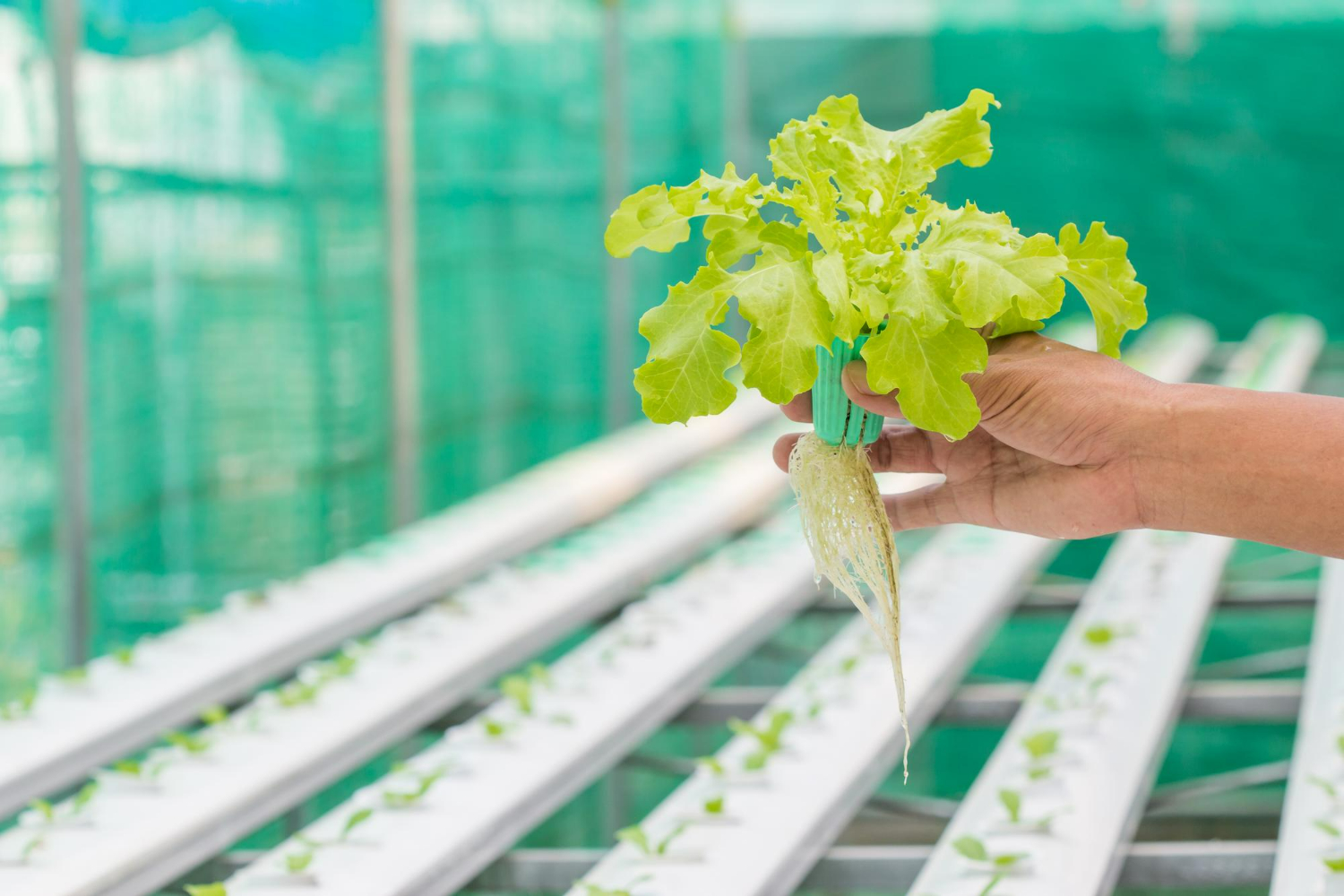
Hydroponics is a farming method that saves both space and land. Hydroponic plants should consider pH, nutrition, regulated water, and illuminance. The two latter can be conducted using pumps and LEDs, respectively; therefore, electrical energy is required. This research investigated hydroponics and electrical energy consumption concerns in a prototype design, implementation, testing, and analysis based on fuzzy logic and the Internet of Things (IoT). It employed BH1750, SEN0244 TDS, PH-4502C, ACS712, and 170640 sensors for temperature, illuminance, nutrition, pH, electric current, and voltage sensing, respectively. The control parts were an Arduino Mega 2560 microcontroller board, ESP8266 NodeMCU, and DS3231 RTC, and the output parts were the growing light LEDs, LCD, DC water, and peristaltic pumps. Some swamp cabbage plant samples were employed on three comparative prototypes: fuzzy-based, scheduled-based, and natural methods. The testing was conducted for 36 days. The results showed that the typical difference between the fuzzy-based and natural methods was 1.75 cm (26.3%), and that of the scheduled-based and natural methods was 1.28 cm (22.8%). Furthermore, the typical plant growth rates were 0.50 cm/day, 0.44 cm/day, and 0.32 cm/day for the fuzzy-based, scheduled-based, and natural methods, respectively. Moreover, using a comparison, consumed energy saving with the fuzzy-based against scheduled-based methods was 49.11 Wh (4.75%), 49.02 Wh (4.75%), or 48.99 Wh (4.74%), using ordinary, Simpson’s composite rule, or trapezoidal composite rule computation method respectively. The fuzzy-based method usage undoubtedly increased the plant’s height and growth rate, and the energy consumption was lower than that of the scheduled-based method.